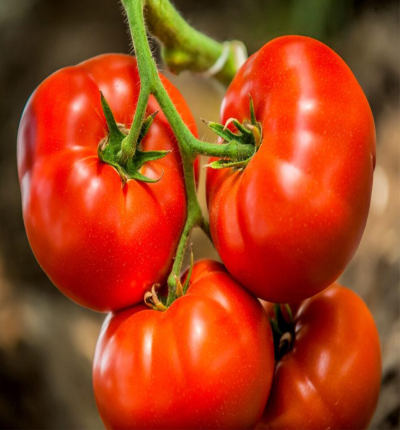
Tomato Export
1. Global Export Market:
- Tomatoes are one of the most widely cultivated and consumed vegetables globally. They are exported in both fresh and processed forms (like canned tomatoes, sauces, and pastes).
2. Major Exporting Countries:
- Some of the largest exporters of fresh tomatoes include:
- Mexico: The world’s largest supplier of fresh tomatoes, particularly to the U.S.
- Spain: Well-known for its high-quality varieties, especially during the winter months.
- Netherlands: A major exporter of greenhouse-grown tomatoes.
- Turkey: An important producer and exporter to various countries, particularly in Europe.
3. Seasonal Availability:
- The availability of tomatoes for export varies by region and season. Countries with warm climates can produce tomatoes year-round, while others have specific growing seasons.
4. Export Regulations:
- Tomato exports are subject to regulations regarding quality, packaging, and phytosanitary standards. Different importing countries may have specific requirements to prevent the introduction of pests and diseases.
5. Economic Impact:
- Tomato exports play a significant role in the economies of producing countries, providing income for farmers and contributing to rural development.
6. Processing Industry:
- In addition to fresh tomatoes, the processing industry is a critical part of the tomato export market. Processed tomato products, such as canned tomatoes, sauces, and ketchup, have significant demand worldwide.
Benefits of Tomatoes in the Human Body
- Rich in Nutrients:
- Tomatoes are an excellent source of vitamins (especially vitamin C, vitamin K, and several B vitamins) and minerals such as potassium and folate.
- High in Antioxidants:
- They are rich in antioxidants, particularly lycopene, which gives tomatoes their red color and is linked to various health benefits, including reduced risk of chronic diseases.
- Heart Health:
- Lycopene and potassium in tomatoes contribute to heart health. Lycopene helps lower LDL cholesterol levels and blood pressure, while potassium regulates healthy blood pressure levels.
- Cancer Prevention:
- Some studies suggest that a higher intake of lycopene-rich foods like tomatoes may be linked to a lower risk of certain types of cancer, particularly prostate cancer.
- Skin Health:
- The antioxidants in tomatoes help protect the skin from sun damage and contribute to skin health by improving skin texture and reducing signs of aging.
- Digestive Health:
- Tomatoes are a good source of dietary fiber, which helps maintain a healthy digestive system and can prevent constipation.
- Weight Management:
- Low in calories and high in water (over 90% water content), tomatoes can be a beneficial food for those looking to manage their weight.
- Boosting Immunity:
- The vitamin C and other antioxidants in tomatoes help boost the immune system, helping the body fight off infections.
- Bone Health:
- Vitamin K and calcium in tomatoes are essential for maintaining strong bones and may help reduce the risk of osteoporosis.
- Hydration:
- Due to their high water content, tomatoes contribute to hydration, which is crucial for overall health and well-being.
Conclusion
Tomatoes are not only a valuable export commodity with a significant impact on the economies of producing countries, but they also offer a plethora of health benefits. Including tomatoes in your diet can be beneficial for overall health, making them a delicious and nutritious choice. Whether consumed raw, cooked, or processed, tomatoes provide both culinary versatility and numerous health advantages.