Sweet Corn Export
1. Export Potential:
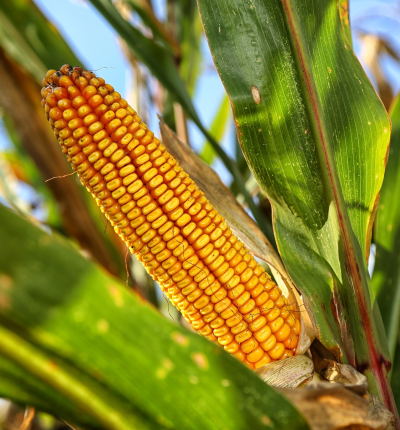
- Global Market: Sweet corn is an important agricultural product with a robust international trade. Major exporting countries include the United States, Mexico, China, and Argentina.
- Types: Sweet corn is exported in various forms, including fresh ears, frozen corn, and canned corn, catering to diverse markets and consumer preferences.
- Demand: The demand for sweet corn is driven by its use in food products, snacks, salads, and convenience meals. Increased consumer interest in healthy eating and plant-based diets contributes to the growth of the sweet corn market.
2. Key Export Markets:
- The U.S. is one of the largest exporters of sweet corn, primarily to countries in North America, Europe, and Asia.
- Mexico and Canada are major importers, often sourcing fresh sweet corn during the off-season in the U.S.
3. Challenges in Exporting:
- Quality Control: Maintaining quality and freshness is vital for sweet corn exports, especially for fresh produce.
- Regulatory Standards: Complying with the import regulations and standards of different countries is essential to avoid trade barriers.
- Seasonality: Fresh sweet corn has a seasonal nature, which can affect supply availability and logistics.
4. Sustainable Practices:
- Increasingly, exporting countries are adopting sustainable agricultural practices to enhance production efficiency and reduce environmental impact, appealing to eco-conscious consumers.
Benefits of Sweet Corn in Human Body
- Nutrient-Rich:
- Sweet corn is a good source of essential nutrients, including vitamins (especially B vitamins like thiamine and niacin) and minerals (such as magnesium and phosphorus).
- High in Antioxidants:
- Sweet corn contains antioxidants such as lutein and zeaxanthin, which are beneficial for eye health and can help protect against age-related macular degeneration.
- Dietary Fiber:
- The fiber content in sweet corn promotes digestive health by aiding in regular bowel movements and supporting gut health. It can also help manage blood sugar levels.
- Energy Source:
- With its high carbohydrate content, sweet corn serves as a good energy source, making it particularly useful for athletes and those engaged in physical activities.
- Supports Heart Health:
- The fiber, potassium, and folate in sweet corn contribute to a healthy heart by managing cholesterol levels, supporting healthy blood pressure, and preventing cardiovascular diseases.
- Weight Management:
- Sweet corn is relatively low in calories and high in fiber, promoting feelings of fullness and aiding in weight management efforts.
- Boosts Immunity:
- Its vitamin C content supports the immune system, helping the body fend off infections and illnesses.
- Promotes Healthy Skin:
- Antioxidants and vitamins in sweet corn can contribute to healthy skin by reducing damage from free radicals and supporting skin integrity.
- Natural Sweetness:
- Unlike many other vegetables, sweet corn has a natural sweetness that makes it appealing to a wide range of consumers, including those who may not seek out vegetables often.
- Versatile Ingredient:
- Sweet corn can be enjoyed in various forms—fresh, grilled, boiled, frozen, or canned—making it easy to integrate into numerous dishes, including salads, soups, salsas, and side dishes.
Conclusion
Sweet corn serves as an important agricultural commodity with significant export potential while offering a variety of health benefits when consumed. Its nutritious profile makes it a valuable addition to a healthy diet, supporting overall wellness and providing vital nutrients for the human body.