Growing Lettuce
1. Varieties:
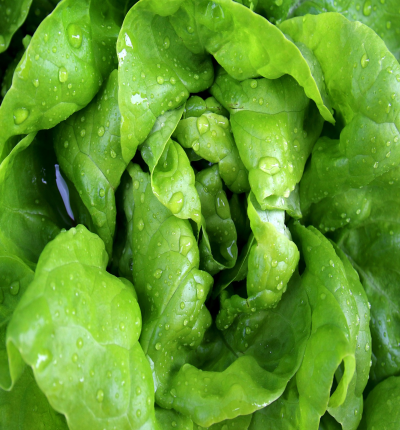
- There are several varieties of lettuce, including:
- Head Lettuce (e.g., Iceberg, Butterhead)
- Leaf Lettuce (e.g., Green Leaf, Red Leaf)
- Romaine Lettuce
- Loose-leaf Lettuce
2. Site Selection:
- Lettuce prefers well-drained, nutrient-rich soil with a pH of 6.0 to 6.8. Choose a location with partial shade, especially in warmer climates, as excessive heat can cause bolting (going to seed).
3. Soil Preparation:
- Amend soil with organic matter, such as compost, to improve fertility and drainage. Tilling the soil to a depth of about 12 inches can help aerate it.
4. Planting:
- Timing: Lettuce is a cool-season crop. In most regions, it can be planted in early spring or fall.
- Seeds: Sow seeds directly into the soil about 1/4 to 1/2 inch deep. If starting indoors, transplant seedlings outdoors after they develop a couple of true leaves and when the temperatures are appropriate.
- Spacing: Space seeds or seedlings 6 to 12 inches apart, depending on the variety.
5. Watering:
- Keep the soil consistently moist, especially during germination and early growth. Aim to water at the base of the plants rather than overhead to prevent fungal diseases.
6. Fertilizing:
- Apply a balanced, slow-release fertilizer according to the soil test results. Lettuce grows quickly and may benefit from multiple applications of light fertilizers.
7. Pest and Disease Management:
- Monitor for pests such as aphids, slugs, and caterpillars. Use organic pest control methods like neem oil or insecticidal soap when necessary. Proper spacing and crop rotation can help reduce disease risk.
8. Harvesting:
- Cut-and-Come-Again: For leaf varieties, harvest outer leaves as they mature for multiple harvests.
- Head Lettuce: Cut heads of lettuce at the base when they reach a desirable size, typically before they flower.
- Harvest in the morning for the best flavor and crunchiness.
9. Storage:
- Store harvested lettuce in a cool, dry place or in the refrigerator in a perforated plastic bag. Rinse and dry leaves before storing to prolong freshness.
Benefits of Lettuce in Human Body
- Low in Calories:
- Lettuce is very low in calories, making it an excellent choice for weight management and low-calorie diets.
- Rich in Nutrients:
- Lettuce contains vitamins A, C, and K, along with important minerals like potassium and folate. These nutrients contribute to overall health.
- Hydration:
- Composed of about 95% water, lettuce helps keep the body hydrated, which is essential for numerous bodily functions.
- Antioxidant Properties:
- Lettuce contains antioxidants like beta-carotene and lutein, which help protect cells from damage caused by free radicals.
- Digestive Health:
- High in fiber, lettuce aids in digestion and promotes regular bowel movements, supporting gut health.
- Heart Health:
- The potassium in lettuce helps regulate blood pressure, reducing the risk of heart disease and stroke.
- Bone Health:
- Vitamin K present in lettuce is important for bone health and plays a role in calcium absorption.
- Eye Health:
- Lettuce is rich in carotenoids like lutein and zeaxanthin, which may help reduce the risk of eye diseases and protect against age-related macular degeneration.
- Supports Immunity:
- The vitamins and antioxidants found in lettuce can help boost the immune system, aiding the body in fighting off infections.
- Versatile Ingredient:
- Lettuce can be eaten raw in salads, used as a wrap, or incorporated into various dishes, making it a versatile staple in many diets.
In conclusion, lettuce is an easy-to-grow crop that provides numerous health benefits when included in a balanced diet. Its low calorie and high nutrient profile make it a valuable addition to meals.