Growing Carrots
1. Choosing the Right Variety:
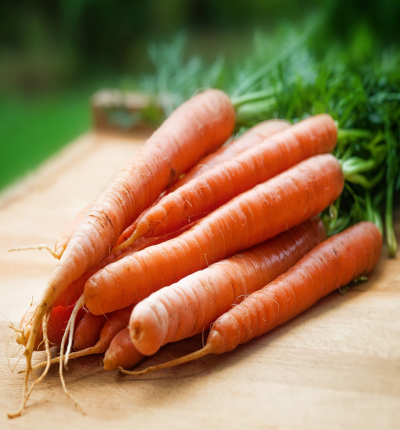
- There are many varieties of carrots, including Nantes, Danvers, Imperator, and Chantenay, differing in shape, size, and color (orange, purple, yellow, etc.). Choose a variety suited to your growing conditions and preferences.
2. Site Preparation:
- Carrots thrive in loose, sandy loam or well-drained soil. Prepare the soil by removing rocks, debris, and weeds, as these can hinder root development. The soil should be deep enough (at least 12 inches) to accommodate the taproot.
3. Soil pH:
- Carrots prefer a soil pH of 6.0 to 6.8. Testing the soil can help you adjust its acidity if necessary.
4. Planting:
- Timing: Carrots can be planted in early spring or late summer for a fall crop, depending on your climate.
- Seed Sowing: Sow seeds directly in the garden. These seeds are small, so plant them about 1/4 inch deep and space them 2-4 inches apart in rows that are 12-18 inches apart. Thin seedlings to their final spacing once they have a few true leaves.
5. Watering:
- Carrots require consistent moisture for proper growth. Water them regularly, aiming to keep the soil evenly moist, especially during germination and as they develop.
6. Fertilizing:
- Carrots do not require a lot of nitrogen. A balanced fertilizer with more phosphorus and potassium can promote root development. Avoid high-nitrogen fertilizers, as they can lead to forked roots.
7. Weeding:
- Keep the area free of competing weeds, which can inhibit the growth of carrots. Hand weeding is often best to prevent damage to the taproot.
8. Pests and Diseases:
- Common pests include carrot flies, aphids, and root maggots. Use row covers to protect seedlings, and practice crop rotation to minimize disease risk.
9. Harvesting:
- Carrots can be harvested when they reach the desired size, usually around 2-4 months after planting, depending on the variety. Gather them by gently pulling or loosening the soil around the roots.
10. Storage:
– Freshly harvested carrots can last several weeks if kept in a cool, dark place. Remove the greens to prevent moisture loss. Carrots can also be stored in the refrigerator or blanched and frozen for longer preservation.
Benefits of Carrots in Human Body
- Rich in Nutrients:
- Carrots are an excellent source of vitamins A (from beta-carotene), K, and several B vitamins. They also contain essential minerals like potassium and manganese.
- Eye Health:
- High levels of beta-carotene in carrots provide significant benefits for eye health, potentially reducing the risk of night blindness and promoting overall vision.
- Antioxidant Properties:
- Carrots contain various antioxidants that help combat oxidative stress and may reduce the risk of chronic diseases.
- Heart Health:
- The potassium and antioxidants in carrots can help lower blood pressure and reduce cholesterol levels, contributing to cardiovascular health.
- Supports Immune Function:
- Vitamin A plays a crucial role in maintaining the immune system, improving the body’s ability to fight infections.
- Healthy Skin:
- The antioxidants and vitamins in carrots contribute to skin health by promoting a healthy glow and preventing signs of aging.
- Digestive Health:
- Carrots are a good source of dietary fiber, which helps regulate bowel movements and contributes to overall digestive health.
- Weight Management:
- Low in calories and high in fiber, carrots can promote a feeling of fullness, making them a great snack for weight control.
- Blood Sugar Regulation:
- The fiber in carrots may help stabilize blood sugar levels and improve overall glycemic control, making them a healthy snack option for those with diabetes.
- Bone Health:
- The vitamin K in carrots supports bone health and helps in the maintenance of bone density.
In conclusion, carrots are not only a versatile and delicious vegetable but also provide numerous health benefits. When grown properly, they can be a rewarding crop that contributes to a healthy diet and overall well-being.