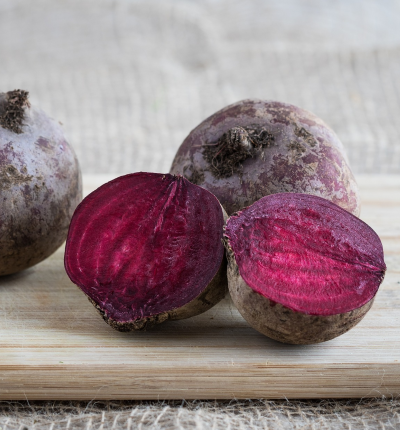
Beetroot Export
1. Global Market Overview:
- Beetroot is cultivated worldwide, with major producers including Russia, the United States, France, Germany, and Poland. Exporting countries have strong agricultural practices and processing capabilities, creating a robust global market.
2. Export Forms:
- Fresh Beets: Raw beetroots are commonly exported to countries with lower local production levels.
- Processed Beet Products: These include pickled beets, beet juice, beet powder, and food coloring derived from beetroots (betanin). Processed forms often have a longer shelf life and higher market value.
3. Importing Countries:
- Nations such as the United Kingdom, the Netherlands, and various Asian countries often import beetroot, driven by demand for fresh produce and processed products.
4. Quality Standards:
- Exporting beetroot involves adhering to specific quality and safety standards set by importing countries, including size, color, firmness, and the absence of pests and diseases.
5. Trade Regulations:
- Exporters must comply with phytosanitary regulations and packaging standards, which may vary from country to country. It’s crucial to stay updated on tariffs and trade agreements that might affect profitability.
6. Market Demand:
- The trend toward healthful eating and natural food products has increased the demand for beetroots and their derivatives, especially in health and wellness markets.
Benefits of Beetroot in the Human Body
- Nutrient-Rich:
- Beetroots are packed with essential nutrients, including dietary fiber, vitamins (especially vitamin C and several B vitamins), and minerals such as potassium, magnesium, and iron.
- High in Antioxidants:
- Beetroots contain betalains, powerful antioxidants that help reduce inflammation and oxidative stress, which can contribute to chronic diseases.
- Supports Heart Health:
- Beetroot is known to help lower blood pressure due to its high nitrate content, which improves blood circulation and overall cardiovascular health.
- Enhanced Athletic Performance:
- The nitrates found in beetroots can enhance exercise performance by improving oxygen delivery to muscles and increasing stamina.
- Supports Liver Function:
- Beetroots have compounds that support liver detoxification processes and may enhance overall liver health.
- Improves Digestion:
- The fiber content of beetroot aids in digestion, promotes regular bowel movements, and supports gut health.
- May Aid in Weight Management:
- Low in calories but high in fiber and water content, beetroots can enhance feelings of satiety, making them a great addition to weight management plans.
- Supports Brain Health:
- The nitrates in beetroot may enhance blood flow to the brain, potentially improving cognitive function and reducing the risk of dementia and cognitive decline.
- Immune System Support:
- Rich in vitamin C, beetroot can boost the immune system, aiding the body in fending off illnesses.
- Skin Health:
- The antioxidants in beetroot may promote healthy skin by combating oxidative stress and inflammation.
Conclusion
Beetroot is not only a valued crop for export due to its versatility in both fresh and processed forms but also offers numerous health benefits that make it a favorable addition to a balanced diet. Regular consumption of beetroot can contribute to overall well-being and prevention of various health issues. Whether eaten raw, cooked, or juiced, beetroot is a nutritional powerhouse that aligns well with current health trends.